Why Should You Follow Up After an Interview?
Sending a follow-up note is more than just good manners; it’s a strategic move in your job search. A well-crafted follow-up message reiterates your interest in the role, shows your professionalism, and gives you another chance to highlight why you are the best candidate. It keeps you top-of-mind for the hiring manager who may be interviewing many other people. In a competitive job market, this simple act can be the deciding factor that sets you apart from other equally qualified applicants. It demonstrates your communication skills and attention to detail, qualities every employer values.
Reinforce Your Interest
A follow-up email confirms that you are still very interested in the position after learning more about it during the interview. This enthusiasm can be contagious and shows the employer that you are serious about the opportunity and eager to join their team.
A Chance to Add More
Did you forget to mention a key achievement or a relevant skill during the interview? The follow-up email is a perfect opportunity to briefly mention something you missed. Perhaps a question from the interviewer sparked a new idea or reminded you of a relevant project. You can use your message to add that valuable piece of information, further strengthening your candidacy.
When is the Best Time to Follow Up?
Timing is crucial when it comes to following up. Sending your message too early can seem pushy, while sending it too late might mean the decision has already been made. Here’s a simple timeline to follow.
The 24-Hour Rule: The Thank-You Note
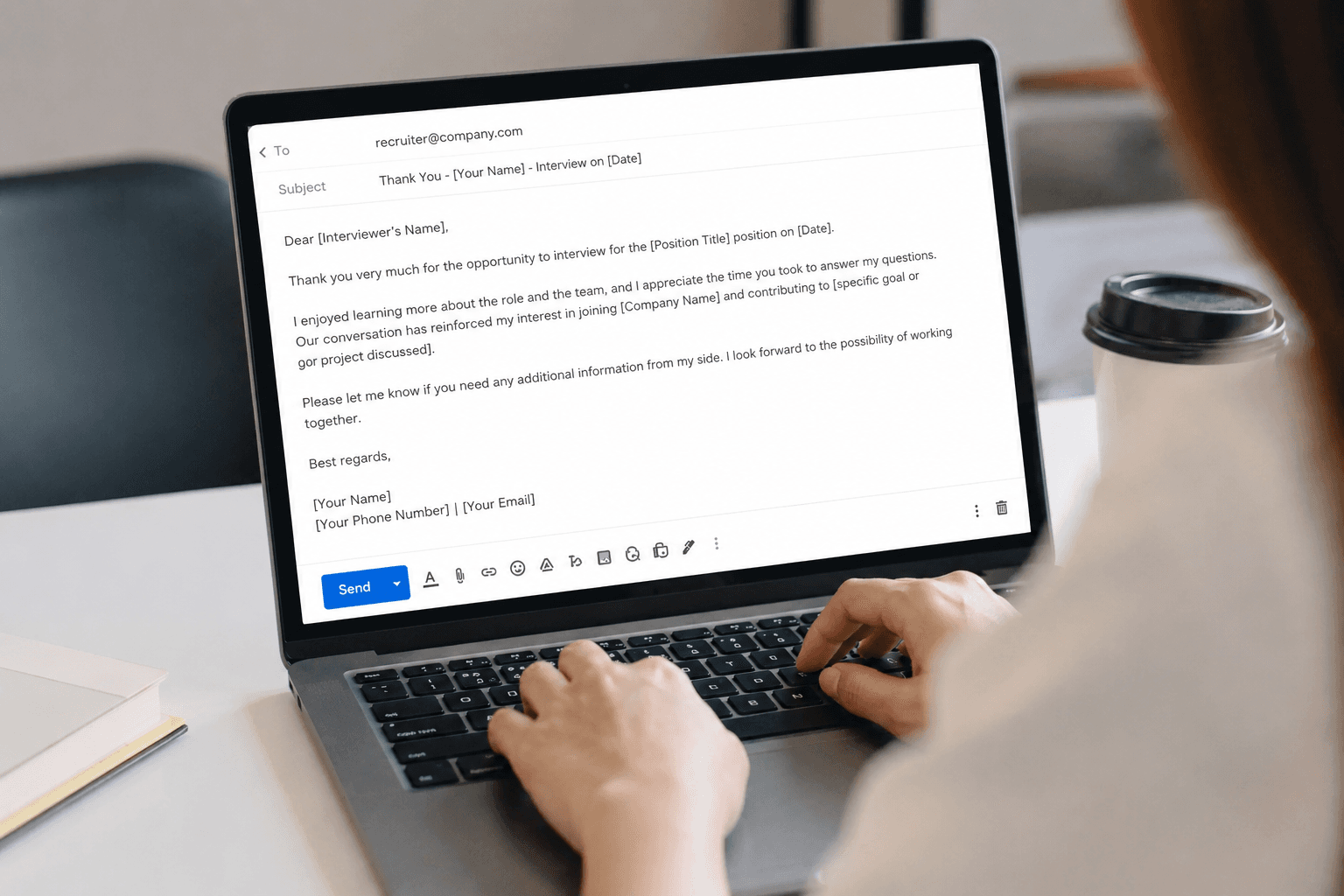
The first follow-up should be a thank-you email sent within 24 hours of your interview. This is a must. It’s quick, professional, and shows you are proactive. This message should be concise. Thank the interviewer for their time, briefly reiterate your interest, and mention one specific thing you enjoyed discussing. This shows you were engaged and listening carefully.
The One-Week Check-In
If you haven't heard back by the deadline the interviewer gave you, or if a week has passed with no deadline mentioned, it is appropriate to send a second, polite follow-up. This email should be short and to the point. Simply state that you are checking in on the status of your application and reiterate your strong interest in the role.
What to Include in Your Interview Follow-Up Email
Crafting the perfect follow-up email is an art. It needs to be professional, concise, and impactful. Here are the essential components to include:
- A Clear Subject Line: Make it easy for the hiring manager to find your email. Use a subject line like “Follow-up regarding [Job Title] Interview” or “Thank you - [Job Title] Interview”.
- A Personalized Greeting: Always address the interviewer by name. If you met with multiple people, you can send a single email to the main contact and ask them to share your thanks with the team, or send individual, slightly different notes to each person.
- Express Your Thanks: Begin by thanking them for taking the time to speak with you. Mention the specific date of the interview.
- Mention a Specific Detail: Refer to a specific topic you discussed. This could be about the company’s upcoming projects, a particular challenge of the role, or a shared interest. This personalizes your message and makes it more memorable.
- Reiterate Your Interest and Qualifications: Briefly restate why you are excited about the role and how your skills and experience are a perfect match for the company’s needs. Connect your qualifications directly to the requirements of the job.
- A Professional Closing: End your email with a professional closing, such as “Best regards” or “Sincerely,” followed by your full name and contact information.
By following these guidelines, you can write a follow-up email that strengthens your application and leaves a lasting positive impression. Remember to proofread your message carefully before hitting send. A simple typo can undermine the professional image you are trying to project. Good luck!